- Plan tomorrow in five minutes tonight, while today is still fresh and tomorrow is still quiet.
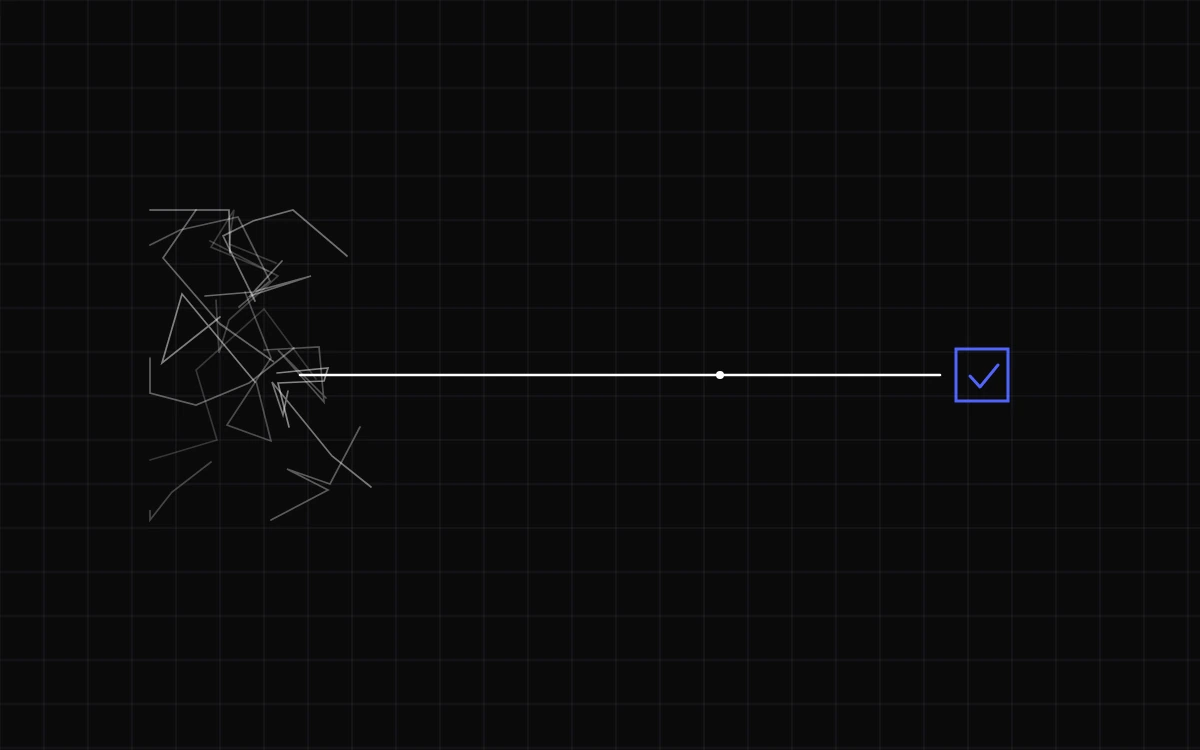
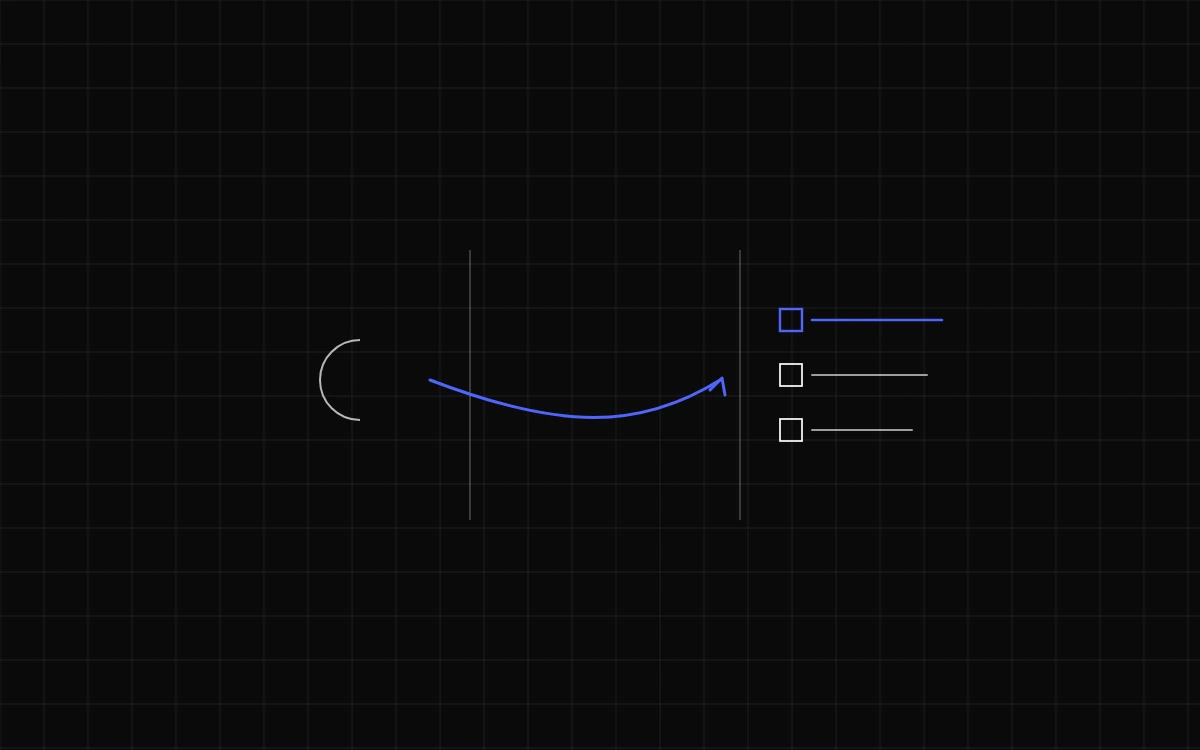
- Four steps: dump everything, pick three, set times, close with a single first move.
- A 2018 Baylor sleep-lab study found a specific bedtime to-do list helped people fall asleep about nine minutes faster.
- Cap it at three real priorities; a longer list is usually fear of leaving something out, not planning.
- Let unfinished tasks carry to the next day automatically so the routine never becomes a guilt pile.
The fastest way to plan your day is to do it the night before, while today is still fresh and tomorrow is still quiet. Five minutes after dinner beats fifteen minutes of groggy morning guesswork, because you decide once and wake up already in motion. Here is the routine, four small steps, and the evidence that it holds up.
Why plan your day the night before?
Planning at night works because it moves your decisions out of your busiest, foggiest hours and clears the mental clutter that keeps you up. In a 2018 sleep-lab study at Baylor University, adults who spent five minutes writing a specific to-do list before bed fell asleep about nine minutes faster than those who wrote about tasks they had finished. The more detailed the list, the faster they dropped off, which is the opposite of what most people expect a busy list to do at bedtime.
There is a second reason. An unfinished task keeps nagging at the edge of your attention until you decide what to do about it. Research on plan-making found that simply writing down a concrete next step quiets that loop, even before the task is done. You are not finishing the work at 9 p.m. You are telling your brain it can stop rehearsing it, which is why the page in front of you does more than the page in your head.
The five-minute evening routine, step by step
The whole point is that it is short enough to do every night without dread. Set a timer if you like. Four moves:
- 1. Dump (about 1 minute). Empty your head onto one list. Every loose task, errand, reply, and worry. Do not sort or judge yet. You are clearing the desk, not arranging it.
- 2. Pick three (about 1 minute). Look at the dump and mark the three things that would make tomorrow a good day if they got done. Only three. The rest can wait or disappear.
- 3. Set times (about 90 seconds). Give at least the biggest of the three a real slot on the clock: “report, 9 to 10:30.” A task with a time is a decision. A task without one is a wish.
- 4. Close (about 90 seconds). Write the single first move for tomorrow, the one you will do before checking anything. Then shut the list and walk away. The plan is set; you are off duty.
You are not planning a perfect day. You are removing the first ten minutes of tomorrow’s hesitation.
Night before vs morning: which is better?
Morning planning is not wrong, and plenty of people do it well. But most of the advantages sit on the evening side, because you plan with today’s context and tomorrow’s calm.
| Factor | Plan the night before | Plan in the morning |
|---|---|---|
| Decision energy | Spent while today is still clear | Spent before coffee, on empty |
| First 10 minutes of the day | Already decided, straight to work | Lost to “what should I do?” |
| Overnight processing | Brain quietly works on it | None, you start cold |
| Sleep | Clearer head, fewer loops | Open tasks may keep you up |
| Main risk | Plan feels stale by morning | Reactive, whoever pings first wins |
If a night plan ever feels stale at 8 a.m., a ten-second glance fixes it. Adjusting a plan is faster than building one from scratch while half-awake.
The evening also gives you distance. A task you dread at 9 p.m. often shrinks once it has a name and a time slot, so you meet it tomorrow as a scheduled block rather than a vague weight you have been carrying since last week. Morning planning, by contrast, quietly rewards whatever is loudest in your inbox, because a mind that has not decided yet will grab the first thing that asks for attention.
How do you pick just three tasks?
Choose the three tasks that move something that matters, not the three that shout loudest. A quick test: which of these will you be glad you did on Friday? Urgent and important are not the same thing, and email is very good at pretending to be both.
The instinct to list ten “priorities” is really the fear of leaving something out. It backfires: a list where everything is important tells you nothing, and staring at it is its own form of task paralysis. Three is a forcing function. If you genuinely cannot cut below six, that is a signal to look at how you prioritize tasks in general, not to lengthen tonight’s list. The century-old Ivy Lee method used six; three is the calmer modern cousin.
Once you have your three, put them in order. The Ivy Lee idea that has survived a hundred years is not the number six, it is the ranking: when you already know which task comes first, you never burn the start of your day deciding what to start. Do the hardest or most consequential one before the day fills with other people’s requests, while your attention is still your own.
What about everything you didn’t finish?
Unfinished tasks are the reason most evening routines quietly die: the leftover pile grows, the list gets heavier, and one night you skip it. The fix is to make carry-over automatic rather than guilty. Yesterday’s undone items should roll to today on their own, so each morning you review a real list instead of rebuilding one.
This is where a calm tool earns its place. In Vekto, the evening dump is fast because you can type in plain language, like “Call Anna tomorrow 14:30,” and it lands as a dated to-do. Anything you didn’t get to shows up under an “open from yesterday” prompt, so nothing is lost and nothing nags. If you want the mechanics, see how unfinished tasks carry to today. Plan. Execute. Reflect.
Make the five minutes stick
A routine survives when it is attached to something you already do. Anchor it: right after you close the laptop, or after you brush your teeth. Keep it to five minutes even on bad days, because a rough plan you actually make beats a perfect one you skip. Fewer nightly decisions today means less decision fatigue tomorrow, and the habit compounds quietly the longer you keep it.
Think of the evening five minutes as the daily version of a larger loop. Once a week, zoom out and do the same thing for the next seven days; our guide on how to plan your week uses the same dump, pick, schedule rhythm at a wider scale. The nights feed the week, the week feeds the goals, and none of it needs to take longer than a coffee.
Is it better to plan your day the night before or in the morning?
The night before wins for most people. You plan while today is still fresh and your mind is clear, your brain processes the plan overnight, and you skip the groggy morning question of where to start. A quick morning glance to adjust is all you need.
How long should planning your day take?
Five to ten minutes is plenty. Longer than that and you are usually procrastinating inside the plan rather than making it. The four-step evening routine (dump, pick three, set times, close) is designed to fit in five minutes so you do it every night.
How many tasks should I plan for a single day?
Three real priorities, plus a defined first move. Three is enough to make the day meaningful and few enough that finishing them feels achievable. If you cannot get below six, that is a prioritizing problem to solve separately, not a reason to lengthen the list.
What is the Ivy Lee method?
A 1918 routine: at the end of each workday, write the six most important things to do tomorrow, order them by importance, and work through them one at a time. The five-minute evening routine is a lighter version that caps the list at three.
What should I do with tasks I did not finish?
Carry them forward automatically instead of rewriting them by hand. An unfinished item should roll to the next day on its own so you review a real list each morning. Guilt-free carry-over is what keeps an evening planning habit alive over months.
- Scullin, M. K., Krueger, M. L., Ballard, H. K., Pruett, N., & Bliwise, D. L. (2018). The effects of bedtime writing on difficulty falling asleep: A polysomnographic study comparing to-do lists and completed activity lists. Journal of Experimental Psychology: General, 147(1), 139-146. pubmed.ncbi.nlm.nih.gov
- Masicampo, E. J., & Baumeister, R. F. (2011). Consider it done! Plan making can eliminate the cognitive effects of unfulfilled goals. Journal of Personality and Social Psychology, 101(4), 667-683. users.wfu.edu
- James Clear. The Ivy Lee Method: The Daily Routine Experts Recommend for Peak Productivity. jamesclear.com
- Todoist. How to Plan Your Day: The Complete Guide to Everyday Productivity. www.todoist.com
Founder of Vekto. Writes about calm planning, goals and the loop between them.