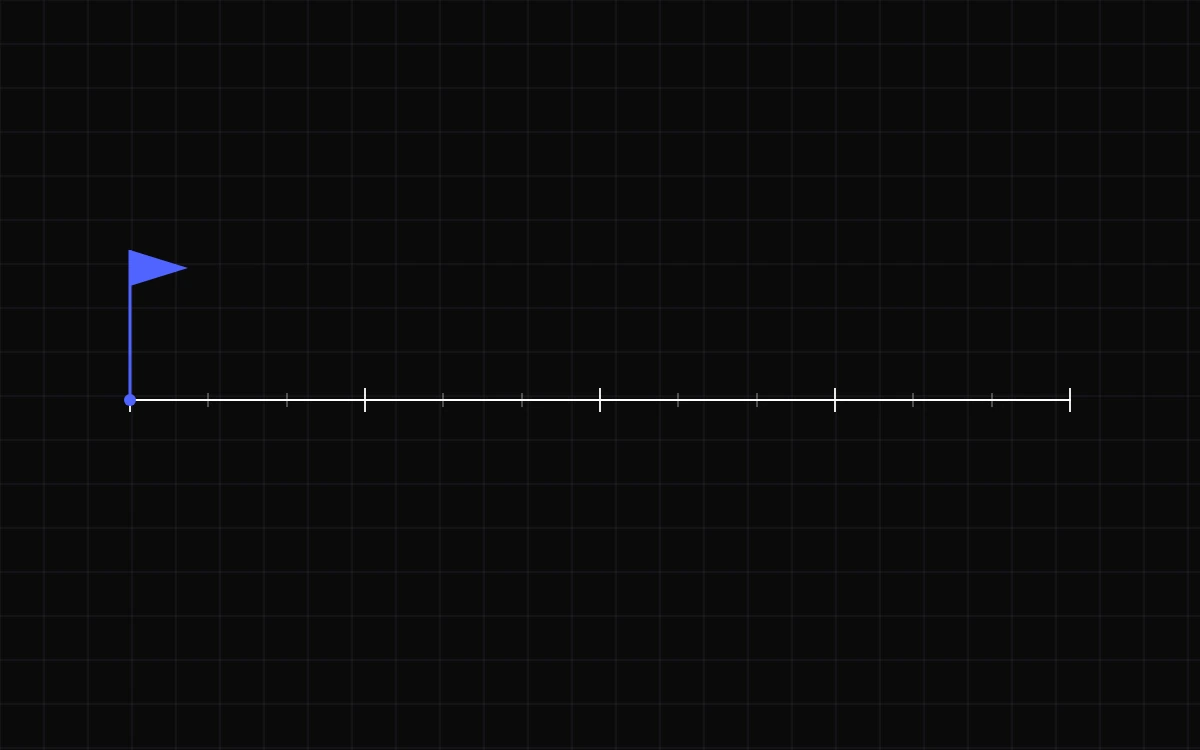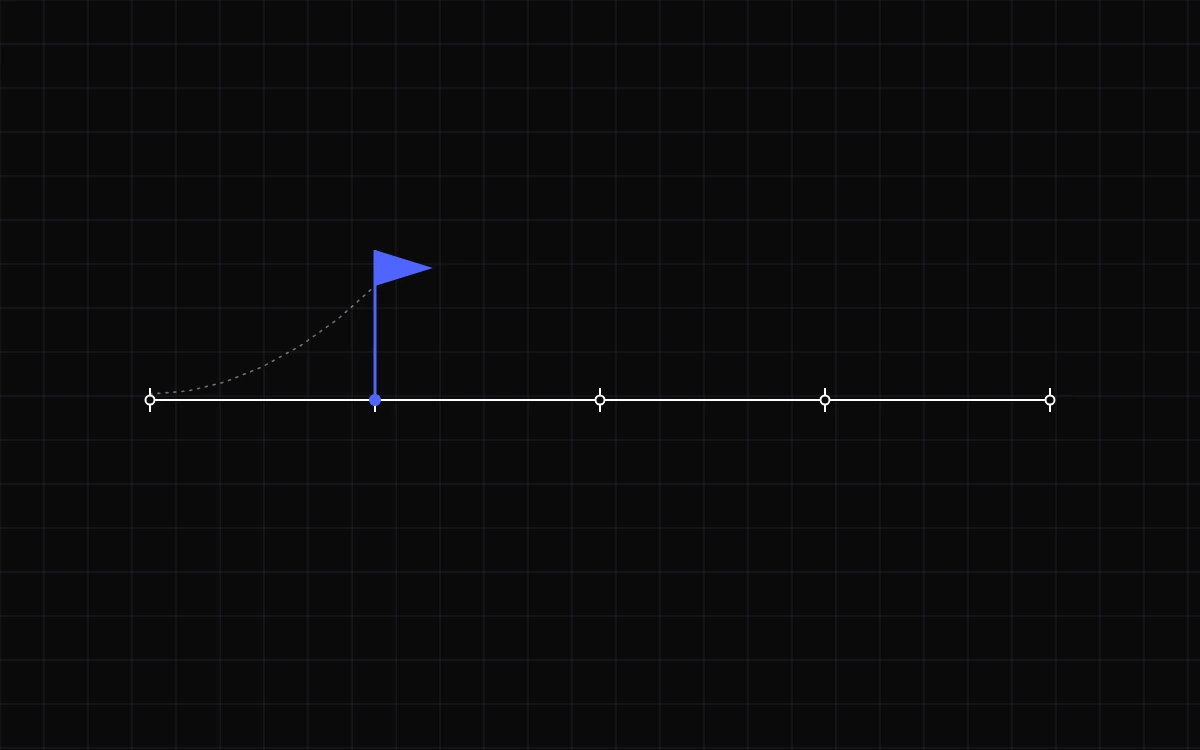
- A personal annual review takes one evening, roughly 60 to 90 minutes.
- Work in order: gather the evidence, map the year, sort what worked, pull lessons, set themes.
- Start from your calendar and camera roll, not from memory.
- Set two or three themes with one or two written goals each, not a list of twenty resolutions.
- Anchor it with quarterly and weekly check-ins so the review does not gather dust.
A personal annual review is a quiet hour or two spent looking back at the year you just lived, then deciding what the next one should be about. No scoreboard, no resolutions you will abandon by February. Just an honest look at what happened, what worked, and what is worth carrying forward.
This is a how-to you can finish in one sitting. Set aside 60 to 90 minutes one evening, work through it in order, and you will start the new year with a map instead of a vague hope. The steps below move from raw evidence to a short set of themes, and each one is designed to be finished, not perfected.
What is a personal annual review?
A personal annual review is a structured reflection on the past twelve months: what you did, what you learned, and what you want to change. Unlike a work appraisal, nobody grades it and nothing is riding on the result. It has two jobs, and only two: draw lessons from the year behind you, and set a direction for the year ahead.
Done well, it beats New Year’s resolutions because it starts from evidence. You are not guessing at who you want to become in some idealized future. You are reading back the actual record of the year, the good weeks and the wasted ones, and adjusting from there. That grounding is the whole difference between a plan that holds and a wish that evaporates.
How long should an annual review take?
One evening. A first review takes about 60 to 90 minutes, and you should keep it inside that window on purpose. Reflection has a point of diminishing returns, and a review you actually finish beats a perfect one you abandon halfway through the second hour. If this is your first time, cap each answer at three to five bullet points and keep your pen moving.
A rough way to spend the time:
- 0-15 min: gather the raw material.
- 15-45 min: look back and name what happened.
- 45-70 min: pull out the lessons.
- 70-90 min: set a few themes and goals for next year.
If you run long on one part, borrow from the next rather than extending the whole session. The clock is a feature here, not a constraint to fight.
The annual review in five steps
Work through these in order. Each one feeds the next, so resist the urge to jump ahead to planning before you have properly looked back. Most thin reviews are thin because someone started at step five.
1. Gather the evidence
Memory is a poor witness. It flatters the recent weeks, forgets whole months, and quietly rewrites the hard parts. Before you write a word, open the sources that actually recorded your year: your calendar, your camera roll, your bank and card statements, your notes and sent messages. Scroll slowly from January forward and let the record jog you. This is the single step most people skip, and it is exactly why their reviews come out vague.
2. Map what happened, month by month
Make a simple timeline. For each month, jot the two or three things that mattered: a move, a project shipped, a hard conversation, a trip, a loss. You are not judging anything yet, just plotting the shape of the year so nothing important gets lost in the rush to the finish line. Twelve short lines is enough. The point is to see the whole arc at once instead of only the last loud thing that happened.
3. Separate what worked from what drained you
Now sort. Draw two columns: what gave you energy and momentum, and what quietly took it away. We are wired to keep chewing on the unfinished and to let the wins slide past, a quirk of memory psychologists call the Zeigarnik effect, so make yourself list the good things out loud and in writing. Be just as specific about the drains. “Too many meetings” is vague; “three status meetings a week that could have been a message” is a pattern you can actually act on next year.
4. Extract three to five lessons
Turn the patterns into sentences you can use. A recurring struggle with procrastination might become “planning is not optional for me.” A project that stalled might become “get feedback in week one, not week ten.” Keep it to a handful. Five real lessons you remember beat twenty you will never read again. Write each one as a plain instruction to your future self, not a vague aspiration.
5. Set a few themes and goals for next year
Do not write a list of twenty resolutions. Choose two or three themes, say “steadier health,” “finish what I start,” or “closer to a few people,” and, under each, one or two concrete goals. Then write them down. In a Dominican University study led by psychologist Gail Matthews, participants who wrote their goals down, shared them with a friend, and sent weekly progress updates achieved markedly more than those who only kept goals in their heads. This is where a tool like Vekto helps, keeping goals at four horizons (weekly, monthly, quarterly and yearly) so tonight’s themes have somewhere to live rather than dying in a notebook.
A year you never look back on teaches you nothing. A year you review once becomes a map for the next.
What questions should you ask yourself?
If a blank page is intimidating, borrow a few prompts. James Clear’s well-known version turns on three questions: what went well this year, what did not go well, and what you are working toward. Add your own from this list, answering each in a sentence or two rather than an essay:
- What am I proudest of this year, however small?
- What drained me, and how often did I let it?
- Which relationships grew, and which quietly faded?
- What did I keep avoiding, and why?
- What did this year teach me that I never want to relearn?
The prompts are scaffolding, not a form to complete. Answer the ones that pull at you and skip the rest.
Annual review vs. resolutions vs. quarterly check-in
An annual review is not the only reflection worth doing, and it works best as the anchor for shorter, more frequent check-ins. On its own, once a year is too rare to steer by.
| Practice | Cadence | Best for | Rough time |
|---|---|---|---|
| Annual review | Once a year | Big-picture lessons and direction | 60-90 min |
| Quarterly review | Every 3 months | Turning themes into concrete goals | 30-45 min |
| Weekly reflection | Weekly | Course-correcting in real time | 10-15 min |
| New Year’s resolutions | Once a year | Little on their own, without a review behind them | 5 min |
How to keep your review from gathering dust
The failure mode is obvious: you write a thoughtful review one quiet evening in late December and never open it again. The fix is cadence. Break each yearly theme into quarterly goals you revisit every three months, and check progress in a short weekly reflection. The annual review sets the direction; the shorter loops keep you pointed at it, and they are where the actual course corrections happen.
Whatever you use, put the document somewhere you will actually see it, not buried three folders deep. In Vekto, the yearly goals you set tonight sit beside your weekly and quarterly ones, with an optional nudge to reflect at the end of each period so the review becomes a habit, not a once-a-year event. For more on why good intentions fade, see why goals fail and how to build a weekly reflection habit.
How do I start a personal annual review?
Start with evidence, not memory. Open your calendar, camera roll, notes and bank statements, and scroll slowly from January forward. Jot the two or three things that mattered each month. Only once you have that timeline should you move on to naming lessons and setting goals.
How long should an annual review take?
About one evening. A first review runs 60 to 90 minutes, and staying inside that window is the point. Reflection has diminishing returns, so a review you finish beats a perfect one you abandon. Cap each answer at three to five bullet points to keep moving.
What questions should I ask in a year-end review?
Three carry most of the weight: what went well, what did not go well, and what you are working toward. Add prompts like what you are proudest of, what drained you, which relationships grew, and what you kept avoiding. Answer each in a sentence or two.
When is the best time to do an annual review?
Late December or the first quiet week of January is the natural window, while the year is fresh in mind. It does not have to align with the calendar, though. Your birthday or a work anniversary works just as well, as long as you repeat it on the same date each year.
Is an annual review better than New Year’s resolutions?
Usually, yes. Resolutions guess at who you want to be; an annual review starts from the actual record of your year and adjusts from there. Pairing a yearly review with quarterly and weekly check-ins beats a list of resolutions that has no reflection behind it.
- Gail Matthews, Dominican University of California, “The Impact of Commitment, Accountability, and Written Goals on Goal Achievement” scholar.dominican.edu
- Dominican University of California, “Goals Research Summary” (Gail Matthews) www.dominican.edu
- James Clear, “Annual Reviews” jamesclear.com
- Todoist, “How to Complete Your Own Annual Review (And Why You Should)” www.todoist.com
- Chris Guillebeau, “How to Conduct Your Own Annual Review” chrisguillebeau.com
Founder of Vekto. Writes about calm planning, goals and the loop between them.